Portland, Oregon, is a city defined by its relationship with water. While we are world-class experts at navigating 150 days of rain per year, our infrastructure—and our homes—are often ill-equipped for the “Arctic Blasts” that occasionally sweep through the Willamette Valley. When a cold front drops temperatures into the teens, the plumbing in many Portland homes, particularly those in historic neighborhoods like Laurelhurst or the West Hills, faces a critical threat: frozen pipes.
A frozen pipe is more than a seasonal inconvenience; it is a ticking time bomb. As water turns to ice, it expands by approximately 9%. However, it isn’t just the expansion of the ice itself that causes the burst; it is the massive buildup of water pressure between the ice “plug” and the faucet. When that pressure becomes too great, the pipe wall fails, resulting in a catastrophic flood. At 911 Restoration of Portland, we see the aftermath of these freezes every winter, and we know that a few hours of preparation can save you thousands of dollars in restoration costs.
Why Portland Homes are Uniquely Vulnerable
In colder regions like Minnesota or Maine, building codes require pipes to be buried deep underground and placed only within the interior “warm” walls of a home. In the Pacific Northwest, our milder climate led to different building standards. Many Portland homes have plumbing running through uninsulated crawlspaces, attics, or even along the exterior of the house. During a sudden freeze, these pipes are exposed to sub-zero wind chills with almost no thermal protection. Furthermore, many older homes still utilize copper or even galvanized steel pipes, which are far less flexible than modern PEX piping and much more likely to shatter when frozen.

How to Prevent Frozen Pipes: A Deep Dive for Homeowners
To truly protect your property, you need to go beyond the basics. Follow this comprehensive guide to winterize your plumbing:
- High-Quality Insulation is Your First Line of Defense: Simply wrapping a pipe in a towel isn’t enough. You should purchase pre-slit foam pipe insulation or fiberglass sleeves from a local Portland hardware store. Pay special attention to “elbows” and “T-joints” in the pipes, as these are the areas where ice plugs most commonly form. If you have a crawlspace, ensure that the vents are closed during the winter to prevent freezing air from “jetting” across your main water lines.
- The Science of the Open Faucet: You have likely heard that you should let your faucets drip, but why? It isn’t just about the temperature of the water. By keeping a faucet open, you provide an escape route for the extreme pressure that builds up when ice begins to form. Even a slow, steady drip can prevent the pressure from reaching the “burst point.” Ensure you are dripping both the hot and cold lines, as hot water pipes can actually freeze faster than cold ones in certain conditions due to the “Mpemba effect.”
- Manage Your Interior Climate Strategically: If you are leaving town for the holidays, it is tempting to turn your heat off to save on the utility bill. This is a dangerous mistake. Keep your thermostat set to at least 55°F (13°C). Additionally, open the cabinet doors under your kitchen and bathroom sinks. This allows the warm air of your home to circulate into those dark, cold corners where pipes are tucked against exterior walls.
- Outdoor Spigots and the “Hose Trap”: This is the leading cause of basement flooding in Portland. If a garden hose is left attached to an outdoor spigot, water stays trapped inside the faucet assembly. When it freezes, it expands backward into the house. Even if the faucet is “off,” the pipe inside the wall can burst, and you won’t realize it until you turn the water on in the spring and flood your basement. Disconnect all hoses and use insulated faucet covers (socks) for every exterior outlet.
- Seal the “Air Jets”: Small gaps where electrical wires or dryer vents exit the house can allow a stream of freezing air to blow directly onto a nearby pipe. Use expandable spray foam or caulk to seal these gaps. In sub-zero weather, a small draft of 15°F air can freeze a pipe in under an hour, even if the rest of the room feels warm.

Q&A: Frozen Pipes and Emergency Action
I think my pipes are frozen. What is the safest way to thaw them?
First, keep the faucet open so that as the ice melts, the water can flow out. Use a hairdryer on a low setting or wrap the pipe in towels soaked in hot water. Never use an open flame, blowtorch, or propane heater, as these are leading causes of house fires during freezes. If the pipe is in a wall, you may need to increase the heat in your entire home and wait patiently.
If a pipe bursts, should I call a plumber or a restoration company first?
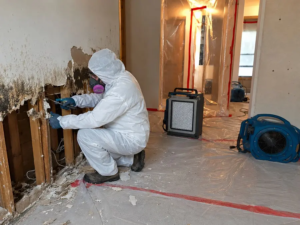
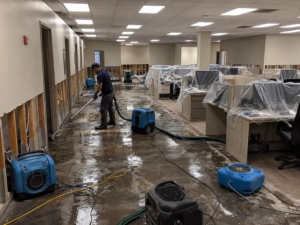
You should actually call both, but a restoration company like 911 Restoration is often the priority for damage control. While a plumber fixes the specific break, we handle the extraction of hundreds of gallons of water that are currently soaking into your drywall and subfloors. Our 45-minute arrival time is designed to stop the damage before it becomes a permanent structural issue.
How do I know if the pipe that burst is a main line or a secondary line?
If you turn off the main water shut-off valve and the water stops flowing, the burst is on your side of the meter. If water continues to geyser even after you’ve shut off your main valve, it may be a municipal issue or a break before your shut-off, requiring immediate contact with the Portland Water Bureau.
Does my insurance company require me to take prevention steps?
Yes. Most insurance policies in Oregon have a “reasonable care” clause. If you leave your home unheated during a freeze and a pipe bursts, the insurance company may argue that you didn’t take proper precautions and deny the claim. Always keep a record (or photos) of your winterization efforts.
What is "PEX" piping, and is it better for freezes?
PEX is a flexible plastic piping that can expand significantly before it breaks. If you are remodeling an older Portland home, we highly recommend switching to PEX, as it is much more resilient to the freeze-thaw cycles we experience in the Pacific Northwest.
Conclusion: Your Fresh Start After the Freeze
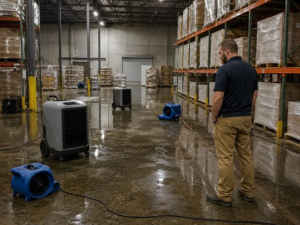
Dealing with a burst pipe is one of the most stressful experiences a homeowner can face. The sound of rushing water and the sight of your belongings being soaked is overwhelming. However, remember that you don’t have to face it alone. At 911 Restoration of Portland, we specialize in turning a disaster into a Fresh Start. We handle everything from the initial water extraction and industrial-strength drying to the final repairs and insurance paperwork.
Don’t let a winter freeze destroy your peace of mind. If you suspect a pipe has burst, or if you need a professional inspection of your home’s winter readiness, call us today at (503) 308-7906. We are available 24/7/365 to keep Portland homes safe.