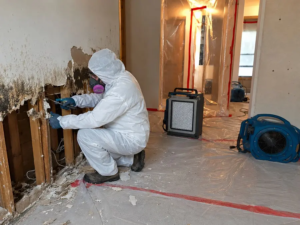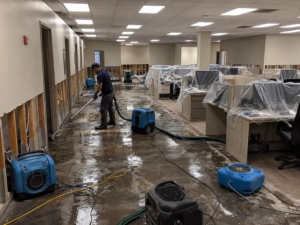
Portland is renowned for its beautiful, historic neighborhoods. Areas like Sellwood, Laurelhurst, and Irvington boast stunning Craftsman, Victorian, and Tudor homes that have stood for nearly a century. While these houses offer unmatched character and architectural charm, their age also makes them particularly susceptible to a silent destroyer: hidden water damage.
Unlike a sudden pipe burst that demands immediate attention, hidden water damage works slowly and insidiously over months or even years. Because historic homes were built with different materials and standards than modern constructions, detecting and treating water intrusion requires a specialized approach. In this article, we will guide you through the telltale signs of hidden water damage in your classic Portland property and explain what steps to take to preserve your piece of history.
Why Historic Homes Are More Vulnerable
Several factors unique to older homes contribute to their elevated risk of water damage:
- Aging Plumbing Systems: Many historic homes still rely on galvanized steel or cast iron pipes. Over decades, these materials corrode from the inside out, leading to pinhole leaks that slowly release water into wall cavities or crawlspaces.
- Outdated Foundations: Older homes often feature porous concrete, brick, or even stone foundations that lack modern waterproofing membranes. In Portland’s notoriously wet climate, groundwater easily seeps through these materials.
- Traditional Building Materials: Lath and plaster walls, common in older homes, react differently to moisture than modern drywall. Plaster can absorb significant amounts of water before showing visible signs of damage on the surface, allowing mold to flourish in the dark spaces behind the walls.
- Wear and Tear on Roofs and Flashing: Even if a roof has been replaced, the flashing around classic brick chimneys or ornate dormer windows can degrade, allowing rainwater to slowly trickle into the attic.
Telltale Signs of Hidden Water Intrusion
Protecting your historic home requires vigilance. Keep an eye out for these subtle indicators that water is making its way where it shouldn’t be:
- Unexplained Musty Odors: Often, your nose will detect water damage before your eyes do. A persistent, earthy, or musty smell—especially in basements, crawlspaces, or closed-off rooms—is a strong indicator of hidden mold growth resulting from trapped moisture.
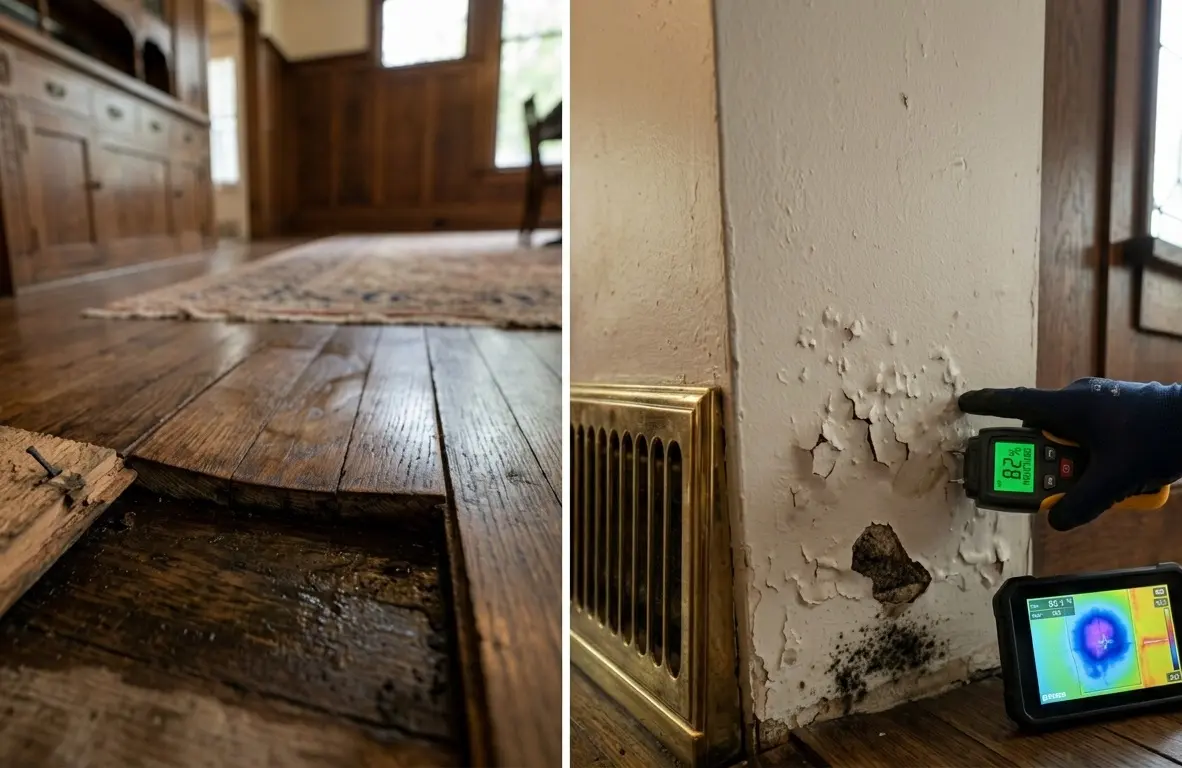
- Bubbling, Peeling, or Discolored Wall Surfaces: While modern drywall will often stain with a distinct brown water ring, plaster walls might instead show bubbling, cracking, or peeling paint. The plaster may also feel soft or powdery to the touch. Pay special attention to areas around windows, baseboards, and ceilings directly beneath bathrooms.
- Warped or Cupping Hardwood Floors: Many classic Portland homes feature stunning original hardwood floors. If you notice the floorboards beginning to cup (where the edges are higher than the center of the board) or buckle, it means they are absorbing moisture from underneath. This is often caused by a leaking pipe in the crawlspace or an unsealed foundation.
- High Indoor Humidity and Condensation: If your windows consistently fog up on the inside, or if the air in your home feels heavy and damp even when the heating is on, you may have a hidden moisture source. This could be due to poor ventilation or water seeping into the sub-levels of the home.
- Inexplicably High Water Bills: If your water usage hasn’t changed but your monthly bill has spiked, there is a very high probability that you have a hidden leak somewhere in your plumbing system.
The Unique Challenges of Restoring Historic Homes
When water damage is discovered in an older property, standard restoration techniques often need to be modified. Tearing out large sections of original lath and plaster or ripping up 100-year-old oak flooring should be a last resort, not a first step.
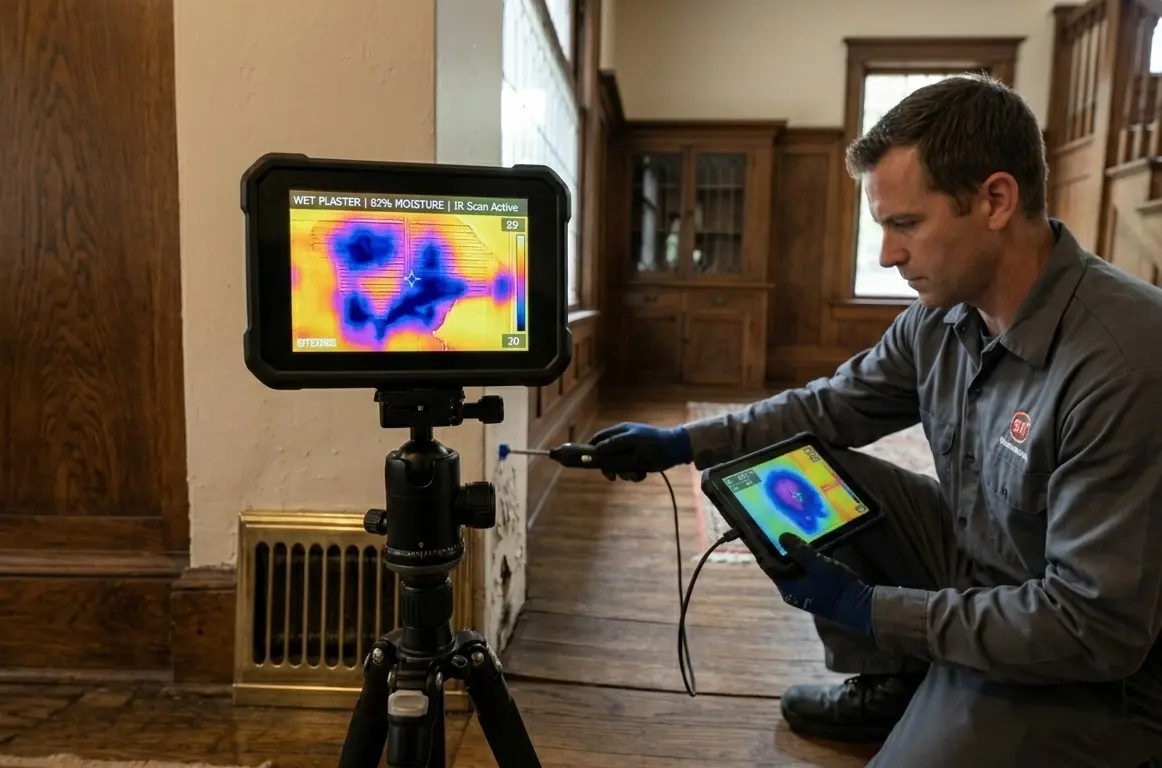
Preservation is paramount. Professional restoration teams experienced with historic properties must use advanced, non-invasive diagnostic tools, such as thermal imaging cameras and pinpoint moisture meters, to exactly locate the source of the water without destroying the surrounding architecture. Furthermore, drying out dense traditional materials requires specialized high-capacity desiccant dehumidifiers and strategic air movement to ensure moisture is fully extracted without causing the wood to crack or warp too quickly.
Immediate Action and Professional Help
If you suspect hidden water damage in your historic home, do not wait for the problem to resolve itself—it won’t. The longer moisture sits, the more structural rot and mold colonization will occur, exponentially increasing the cost and complexity of the repairs.
- Turn off the Main Water Supply: If you suspect an active plumbing leak, shut off the water to prevent further damage.
- Do Not Attempt DIY Demolition: Ripping open walls in a historic home can disturb hazardous materials like lead paint or asbestos. Always leave this to professionals.
- Contact 911 Restoration of Portland: We understand the delicate nature of historic property restoration. Our IICRC-certified technicians are trained to mitigate water damage rapidly while respecting the architectural integrity of your home. We use state-of-the-art equipment to extract moisture and eliminate mold, ensuring your classic Portland home stands strong for another century.