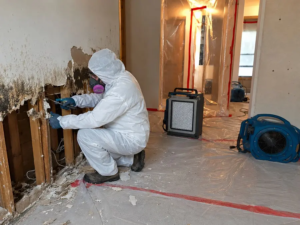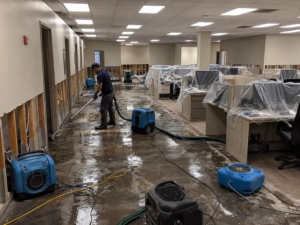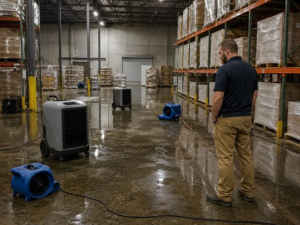
If you live in the Pacific Northwest, you are no stranger to rain. With an average of over 150 rainy days a year, Portland’s climate presents a unique set of challenges for homeowners. Chief among these is the persistent and highly destructive threat of basement flooding. Whether it is a sudden deluge overwhelming the city’s storm drains or a slow, hidden leak seeping through aging foundation walls, a flooded basement is a homeowner’s worst nightmare. Water damage in a subterranean space doesn’t just ruin stored belongings; it compromises the structural integrity of your home and creates a perfect breeding ground for hazardous mold.
In this comprehensive guide, we will explore why Portland homes are uniquely susceptible to flooded basements, what steps you must take immediately if disaster strikes, and how to safeguard your property against future water damage.
Why Are Portland Basements So Prone to Flooding?
Understanding the root cause of water intrusion is the first step in protecting your property. Portland’s unique geography and infrastructure contribute to the high rate of residential flooding:
- Heavy Seasonal Rainfall: The sheer volume of water during the fall and winter months saturates the soil surrounding your home. This creates massive hydrostatic pressure, forcing water through microscopic cracks in your foundation.
- Aging Infrastructure: Many of Portland’s historic and older neighborhoods feature combined sewer systems. During heavy storms, these systems can easily become overwhelmed, leading to catastrophic sewage backups that flow directly into residential basements.
- High Water Tables: Properties located near the Willamette River or in low-lying floodplains naturally sit closer to the groundwater table, making them highly vulnerable during the wet season.
Common Causes of Basement Water Damage
Beyond the weather, internal mechanical failures are frequently to blame for submerged basements. The most common culprits we see during emergency calls include:
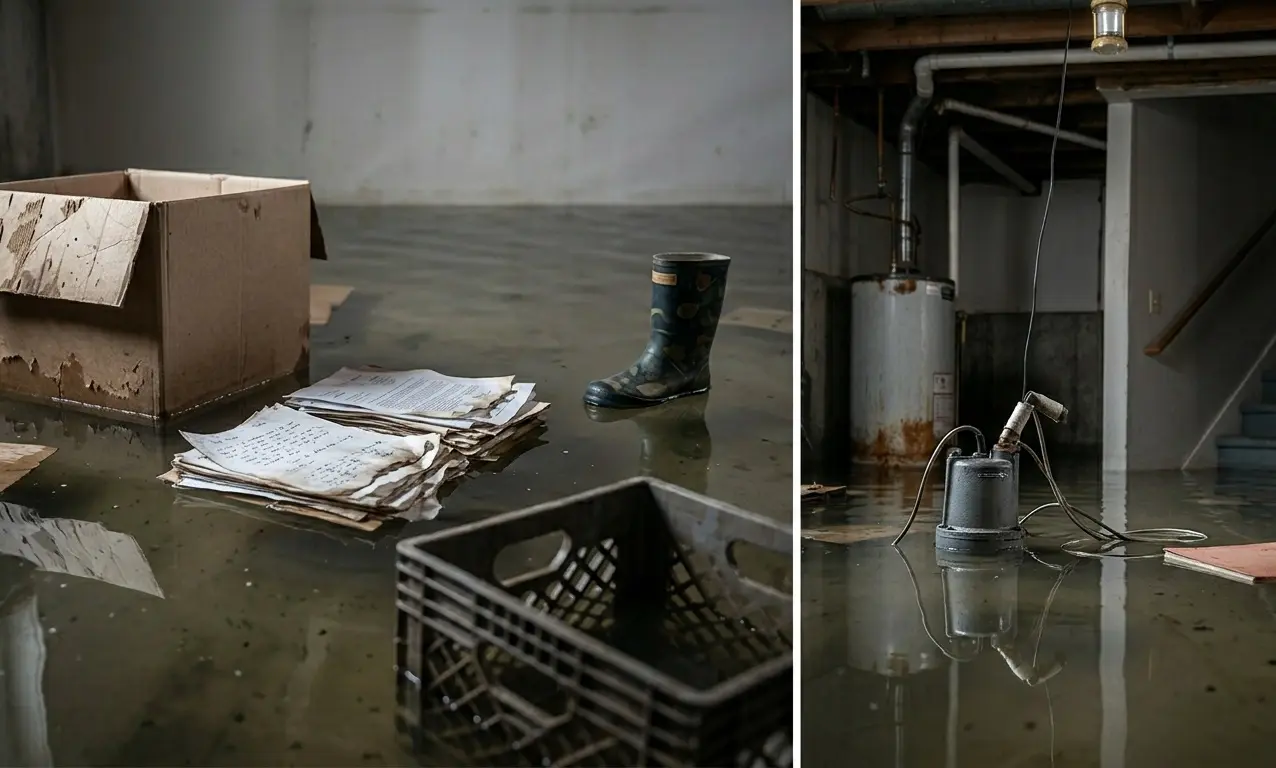
Sump Pump Failures: Your sump pump is your primary defense against groundwater. However, they rely on electricity. Severe storms often bring power outages, rendering the pump useless exactly when you need it most.
Clogged Gutters and Poor Grading: If your gutters are choked with pine needles and leaves, water will cascade over the sides, pooling directly at your foundation. If the soil grading slopes toward your house instead of away from it, that water has nowhere to go but inside.
Plumbing Failures and Burst Pipes: A frozen pipe bursting in a basement ceiling or an aging water heater failing can unleash hundreds of gallons of water in a matter of hours.
Immediate Steps to Take if Your Basement Floods
If you discover standing water in your basement, swift action is required. Every minute counts when it comes to mitigating water damage.
- Prioritize Safety First: Never wade into a flooded basement if the water is near electrical outlets or appliances. Turn off the electricity to the affected area from your main breaker panel. If you cannot reach the panel safely, call a professional immediately.
- Stop the Source: If the flooding is caused by a burst indoor pipe or a broken appliance, shut off the main water valve to your house to prevent further accumulation.
- Protect Valuables: Carefully move sensitive electronics, important documents, and irreplaceable family heirlooms to a dry, elevated area of the home.
- Call an Emergency Restoration Team: Standard wet vacuums are not enough to dry a saturated basement. You need industrial-grade extraction. 911 Restoration of Portland operates 24/7 and guarantees a 45-minute response time to get the mitigation process started before secondary damage sets in.
The Hidden Dangers of Untreated Water Damage
Many homeowners make the mistake of assuming their basement is fine once the visible standing water is gone. However, water acts maliciously. It wicks up drywall, saturates insulation, and warps wooden support beams.
The most severe hidden danger is mold. In Portland’s damp environment, toxic black mold can begin to colonize within 24 to 48 hours of water exposure. Mold spores compromise indoor air quality and can cause severe respiratory distress. Furthermore, if the floodwater originated from a sewer backup (Category 3 “Black Water”), the entire area is contaminated with harmful bacteria and pathogens that require professional sanitization and protective gear to clean safely.
How to Prevent Future Basement Floods in Portland
Proactive maintenance is far cheaper than emergency restoration. Protect your home by implementing these preventative measures:
– Install a Battery Backup for Your Sump Pump: This ensures your pump continues to evacuate water even if the grid goes down during a winter storm.
– Extend Your Downspouts: Ensure all gutter downspouts direct rainwater at least five to ten feet away from your foundation walls.
– Seal Foundation Cracks: Inspect your basement walls annually and use specialized epoxy or polyurethane injections to seal any visible cracks.
– Schedule Annual Plumbing Inspections: Have a professional check your water heater, HVAC system, and basement pipes for signs of corrosion or impending failure.
Navigating the Insurance Claims Process
When basement flooding occurs, dealing with insurance can add to the stress. It’s crucial to document everything. Take photos and videos of the standing water and the damaged items before you move anything (unless moving them is necessary to prevent further immediate destruction). Review your homeowner’s insurance policy to understand your coverage. Standard policies often cover sudden internal water damage (like a burst pipe), but they may not cover groundwater flooding or sewer backups unless you have specific riders or flood insurance. 911 Restoration of Portland can assist you in navigating the claims process, working directly with your insurance provider to ensure you get the coverage you deserve.
Get a “Fresh Start” with 911 Restoration of Portland
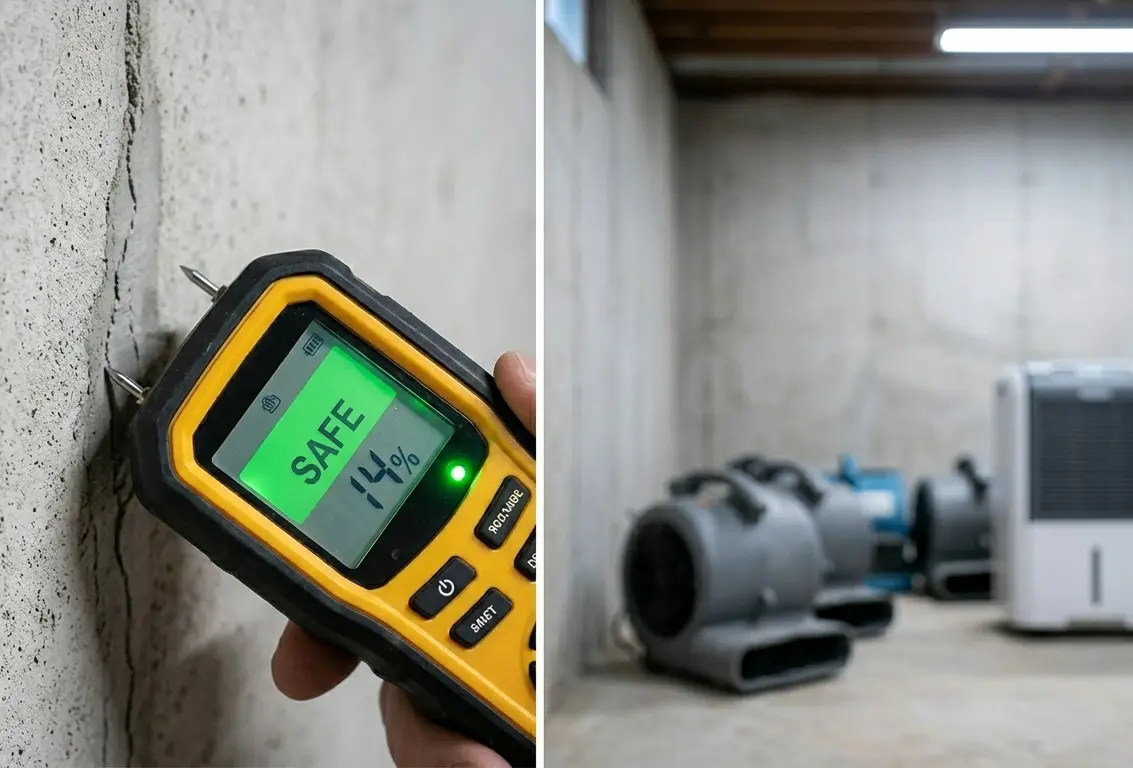
Dealing with a flooded basement is overwhelming, but you do not have to handle it alone. At 911 Restoration of Portland, our IICRC-certified technicians specialize in comprehensive water extraction, structural drying, and full-scale disaster recovery. We utilize advanced thermal imaging to locate hidden moisture and employ industrial dehumidifiers to restore your property to pristine condition.
If your Portland home has suffered water damage, don’t wait for mold to take hold. Contact us today for immediate, expert assistance, and let us give your home a Fresh Start.