Mold terminology can be confusing. Homeowners may search for mold inspection, mold testing, mold removal, mold remediation, or mold mitigation without knowing which service they actually need. The right answer depends on what you can see, what you can smell, whether there was recent water damage, and what areas of the home may be affected.
For Portland homes, where moisture can collect in basements, crawlspaces, bathrooms, attics, and older wall assemblies, understanding the difference can help you take the right next step.
What is a mold inspection?
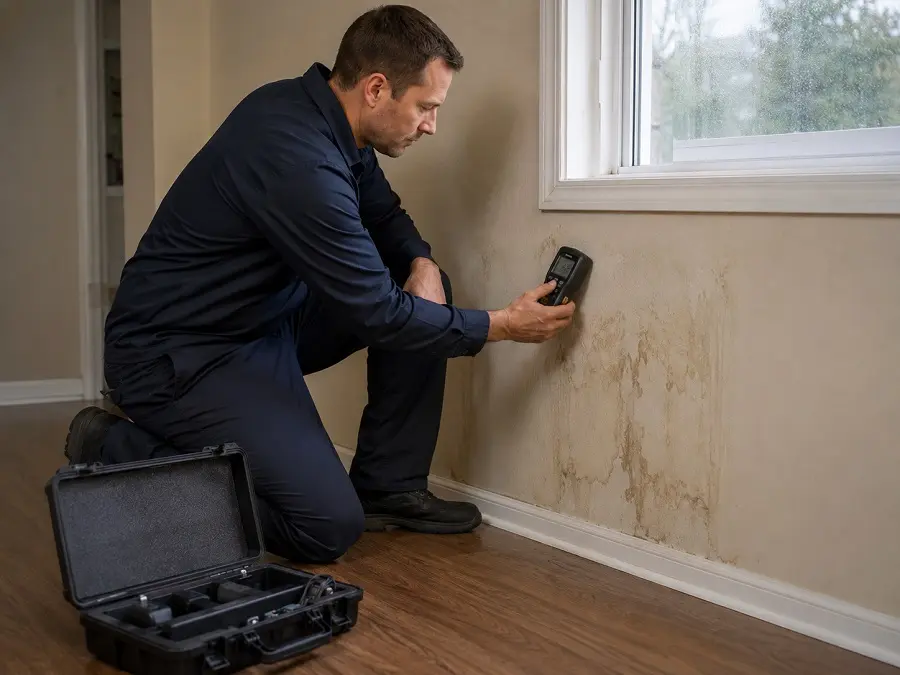
A mold inspection is a visual and moisture-focused evaluation of the property. The goal is to identify visible mold, conditions that support mold growth, moisture sources, and areas that may need further investigation. An inspection may include checking bathrooms, kitchens, attics, crawlspaces, basements, around windows, under sinks, behind appliances, and near previous water damage.
A good inspection does not only ask whether mold is present. It asks why moisture is present. Without fixing the moisture source, mold can return after cleaning.
What is mold testing?
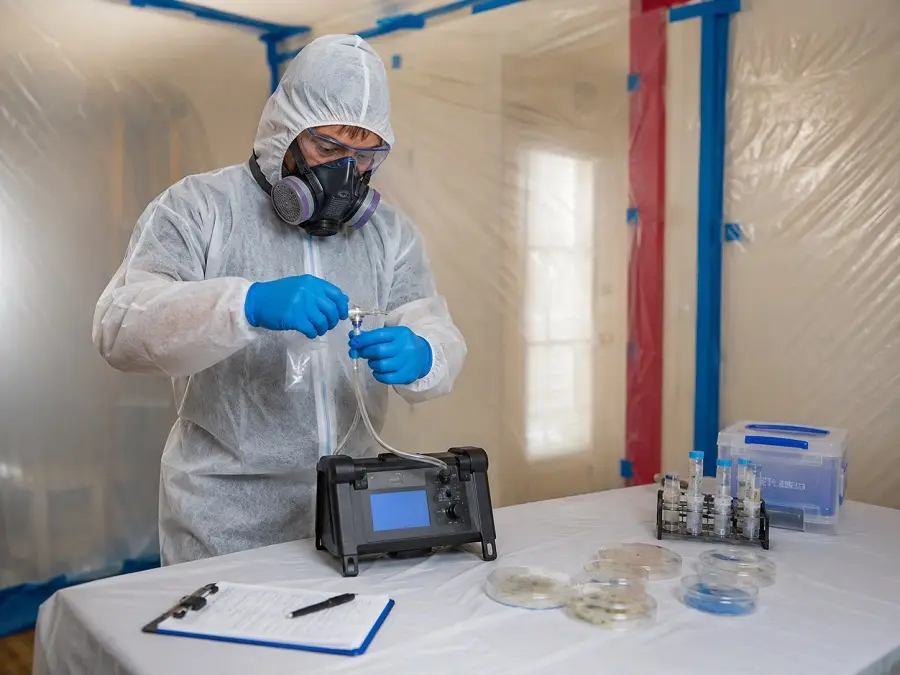
Mold testing usually refers to sampling. Depending on the situation, samples may be taken from air, surfaces, or materials. Testing may help when there is an odor but no visible growth, when documentation is needed, when a property transaction requires more information, or when there is uncertainty about what is present.
Testing is not always the first step. If there is visible mold and an obvious moisture problem, the priority may be correcting the moisture source and planning remediation. Testing can be useful, but it should answer a specific question.
What is mold remediation?
Mold remediation is the controlled process of addressing mold growth and the conditions that allowed it to develop. It may include containment, air filtration, removal of affected porous materials, cleaning of surfaces, drying, moisture correction, and prevention recommendations.
Remediation is broader than simple cleaning. It focuses on removing affected materials when needed, preventing cross-contamination, and reducing the chance that the problem returns.
What is mold removal?
Mold removal is often used by homeowners to describe the cleaning or physical removal of mold. Some materials can be cleaned. Others, such as heavily affected drywall, insulation, carpet, or particleboard, may need removal and replacement.
The phrase mold removal can be misleading if it suggests that every mold spore can be eliminated from an indoor environment. The practical goal is to remove active growth, correct moisture, clean affected areas, and restore normal conditions.
When do you need inspection first?
Start with an inspection when:
- You smell musty odors but cannot see mold.
- You had a recent leak and want to know whether moisture remains.
- You see staining around windows, walls, ceilings, or baseboards.
- You have crawlspace or attic moisture concerns.
- You are not sure whether the issue is mold, mildew, dirt, or water staining.
Inspection helps define the scope before unnecessary demolition or cleaning.
When testing may be helpful
Testing may be useful when results need to be documented, when symptoms or concerns are being investigated with appropriate professionals, when a buyer or seller requests information, or when the affected area is not obvious. It should be paired with a moisture investigation because test results without a moisture plan do not solve the underlying problem.
When remediation is the right step
Remediation is needed when there is visible mold growth, repeated moisture, affected porous materials, or a known mold condition that requires controlled cleanup. Remediation should include steps to address the source of water or humidity.
Why moisture correction matters most
Mold is a moisture problem before it is a cleaning problem. Cleaning visible growth without fixing a leak, drainage issue, condensation problem, or ventilation problem may only provide temporary improvement. A complete plan should include drying, repair, prevention, and follow-up recommendations.
Call for mold help in Portland
911 Restoration of Portland helps with mold inspection, testing coordination, remediation, removal, moisture correction, and restoration. If you are unsure what service you need, call (503) 208-9780.
FAQ
Do I always need mold testing before remediation?
No. If mold is visible and the moisture source is clear, remediation may be planned without testing. Testing is useful when it answers a specific question or provides needed documentation.
Is mold remediation the same as mold removal?
Not exactly. Removal focuses on taking mold growth or affected materials away. Remediation includes containment, cleaning, moisture correction, drying, and prevention planning.
Why does mold come back after cleaning?
Mold usually returns when the moisture source remains. Leaks, condensation, poor drainage, and damp materials must be addressed.