For many Portlanders, the basement is a vital part of the home—a place for storage, a home office, or a cozy family room. However, because of Portland’s unique geology and the relentless “Pineapple Express” rain patterns of the Pacific Northwest, the basement is also the most vulnerable room in the house. A flooded basement isn’t just a mess; it’s a threat to the structural integrity of your home and a breeding ground for mold.
To protect your home, you must understand the forces at work. Portland sits on a mix of volcanic soil and heavy clay. When our famous winter rains arrive, the ground becomes saturated, and the water starts looking for a place to go. Often, that place is your basement.
The 5 Major Causes of Basement Flooding in the PNW
- Hydrostatic Pressure (The Science of “Weeping” Walls): This is the most common cause of basement dampness in Oregon. As the soil around your foundation becomes saturated with rain, it becomes incredibly heavy. This weight creates “hydrostatic pressure,” which forces water through the microscopic pores of your concrete foundation. You might not see a “gusher,” but you will notice damp spots, “efflorescence” (white salty powder on walls), or a constant musty smell. Over years, this pressure can actually cause foundation walls to bow or crack.
- The Gutter and Downspout Trap: Many Portland homes are surrounded by beautiful, towering trees. While these trees are iconic, their leaves and needles clog gutters in a matter of weeks. When a gutter clogs, the water overflows and falls directly against your foundation. If your downspouts aren’t extended at least 10 feet away from the house, you are essentially pumping thousands of gallons of water directly into the soil next to your basement walls.
- Sump Pump Failure at the Worst Moment: If your basement is below the water table, you likely have a sump pump. These mechanical devices are designed to pump out groundwater before it reaches your floor. However, sump pumps often fail during the biggest storms—the exact moment you need them most. Whether it’s a mechanical failure, a clogged intake, or a power outage caused by a falling tree limb, a dead sump pump leads to a flooded basement in minutes.
- Ineffective Yard Grading and Landscape Design: In neighborhoods like Eastmoreland or the West Hills, the slope of the land is everything. If your yard slopes toward your house, every rainstorm directs a river of water toward your foundation. Over time, the soil near the house settles, creating a “bowl” that traps water. This water eventually finds its way through window wells or under the sill plate of the house.
- The “Big Pipe” and Sewer Backups: Portland has spent millions on the “Big Pipe” project to prevent sewage from flowing into the Willamette River during storms. However, localized sewer backups can still happen. When the city’s storm drains become overwhelmed, “Category 3” black water can back up through your basement floor drains. This is a major biohazard that contains bacteria, viruses, and chemicals, and it requires specialized professional cleanup to be safe.

Q&A: Navigating Basement Water Issues
My basement floor is damp, but there is no standing water. Do I still need a professional?
Yes. Damp concrete is a sign that moisture is moving through the slab. In Portland’s humid climate, this moisture will get trapped under carpets or behind drywall, leading to toxic mold growth within days. We use moisture meters to determine exactly how much water is trapped inside the “bones” of your basement.
Should I paint my basement walls with "waterproof" paint?
Waterproof paint is often a temporary band-aid. If the hydrostatic pressure outside is strong enough, the water will eventually push the paint off the wall in bubbles. To truly fix the problem, you must address the drainage outside the house or install an interior French drain and sump pump system.
Does flood insurance cover my basement?
This is a common point of confusion. Standard homeowners insurance usually does not cover flooding caused by rising groundwater or surface water entering from outside. You typically need a separate flood insurance policy (NFIP). However, if the flood was caused by a burst pipe or a sump pump failure (and you have a “sump pump rider”), you may be covered.
What is the "Fresh Start" approach to a flooded basement?
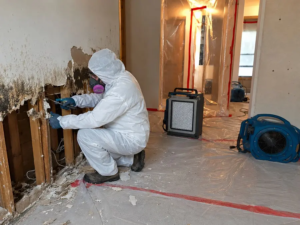
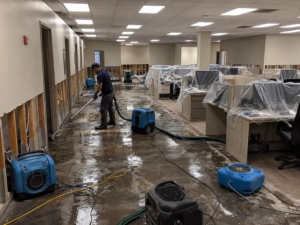
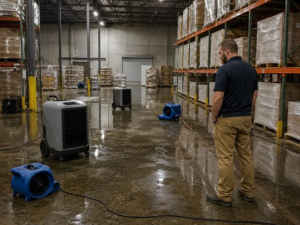
At 911 Restoration, we don’t just “dry” the room. We look at the big picture. We extract the water, remove unsalvageable materials like soaked carpet padding, treat the area with antimicrobial agents to prevent mold, and then use industrial-grade dehumidifiers to return the basement to a safe “dry standard.”
How can I tell if the water in my basement is "Gray" or "Black"?
If the water comes from a clean pipe, it’s “White” water. If it has been sitting for a few days or comes from a washing machine, it’s “Gray.” If it comes from a toilet or a floor drain, it is “Black” water. Black water is extremely dangerous and should never be touched without professional-grade PPE (Personal Protective Equipment).

Conclusion: Protect Your Portland Home
A basement flood can feel like the end of the world, especially if you’ve lost sentimental items or a finished living space. But with the right team, it can be the beginning of a better, dryer chapter for your home. We specialize in Portland’s specific basement challenges, and we have the industrial equipment needed to dry out even the most stubborn concrete foundations.
Don’t wait for the mold to move in. If your basement has taken on water, or if you are tired of that damp, musty smell, call 911 Restoration of Portland today. We provide a Fresh Start and the peace of mind that your home is structurally sound and healthy for your family. Call us at (503) 308-7906 for your Free Visual Inspection.