Homeowners often use the terms water mitigation and water damage restoration as if they mean the same thing. They are connected, but they describe different parts of the recovery process. Understanding the difference can help you make faster decisions, ask better questions, and avoid delays after a leak, flood, or burst pipe.
In simple terms, water mitigation stops the damage from getting worse. Water damage restoration repairs and rebuilds the property after the structure is dry and safe.
What water mitigation means
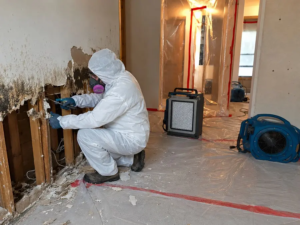
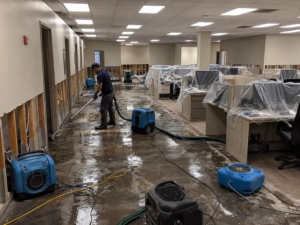
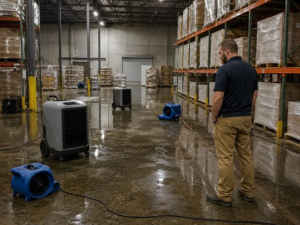
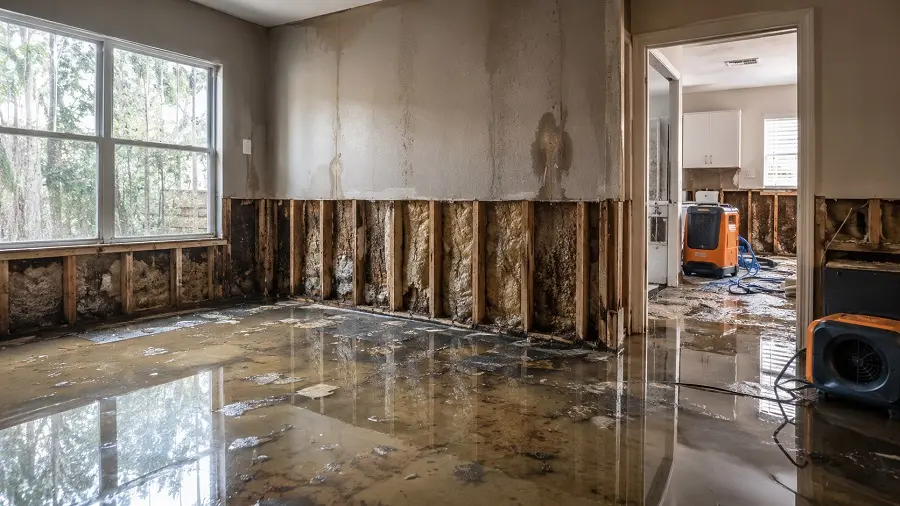
Water mitigation is the emergency response phase. The goal is to control the situation and reduce the total damage. It starts as soon as possible after the water event and can include shutting off the water source, extracting standing water, moving contents, removing unsalvageable materials, setting up drying equipment, and monitoring moisture.
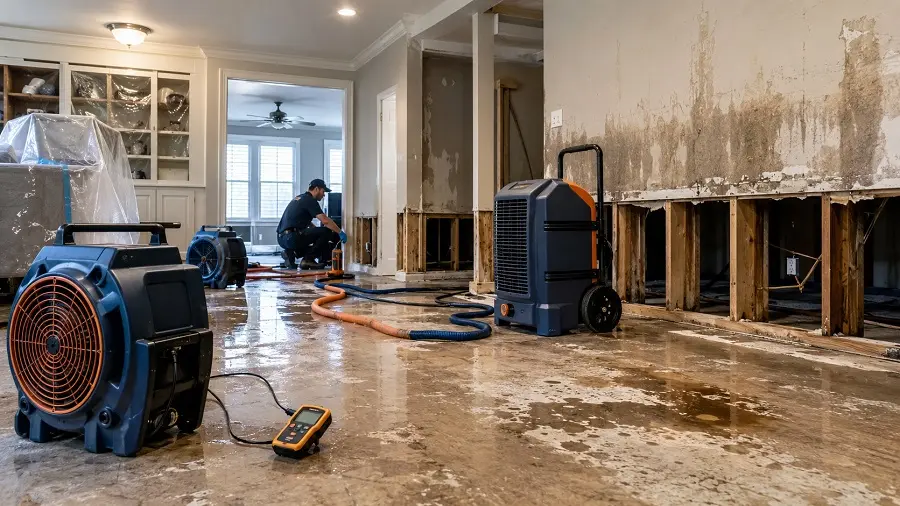
Mitigation is not about making the home look finished. It is about protecting the building. If a pipe breaks in a kitchen, mitigation may include removing standing water, checking under cabinets, pulling wet toe-kicks, opening affected drywall, and setting dehumidifiers. If a basement floods, mitigation may include pump-out, extraction, removal of wet carpet pad, and drying of framing and concrete surfaces.
The most important mitigation question is: Where did the water go? Until that is answered, the damage may still be active even if the room looks cleaner.
What water damage restoration means
Water damage restoration is the repair and return-to-normal phase. Once the affected materials are dry, the property can move into repairs. That may include replacing drywall, reinstalling flooring, painting, repairing trim, rebuilding cabinets, replacing insulation, and restoring rooms to pre-loss condition.
Restoration depends on the mitigation work being done correctly. If repairs happen before moisture is controlled, the new materials can trap moisture behind them. That can lead to odors, swelling, mold concerns, and repeated repairs.
Why Portland homes often need careful moisture checks
Portland homes can include basements, crawlspaces, older framing, additions, and finished spaces where water movement is not obvious. A leak may begin in a bathroom but affect the ceiling below. A dishwasher leak may run beneath cabinets and flooring. A roof leak may wet insulation before a ceiling stain appears.
Because of that, water mitigation should include moisture mapping. This helps identify affected materials, define the drying plan, and show when the area has reached drying goals. Guessing by sight or touch is not enough for serious water damage.
What happens during mitigation
A typical mitigation process may include:
- Emergency inspection and safety check.
- Source control or coordination with a plumber.
- Water extraction from floors, carpet, and affected areas.
- Protection or removal of contents from the wet zone.
- Removal of materials that cannot be dried safely.
- Placement of air movers and dehumidifiers.
- Moisture readings and daily monitoring.
- Documentation for the property owner and insurance company.
The exact steps depend on the category of water, the amount of water, the materials affected, and how long the property has been wet.
What happens during restoration
After drying, the focus changes from damage control to rebuilding. The restoration phase may include:
- Drywall repair and texture matching.
- Flooring replacement or repair.
- Trim, baseboard, and paint work.
- Cabinet or built-in repair.
- Insulation replacement.
- Final cleaning and odor control.
- Coordination with insurance documentation.
In some situations, the same company may handle both mitigation and reconstruction. In others, the mitigation company may coordinate with a licensed contractor for repairs.
Why fast mitigation can lower the scope of restoration
The longer materials stay wet, the more likely the project becomes larger. Water that is extracted quickly may save certain materials or reduce demolition. Water left in carpet, walls, or subflooring can spread, increase humidity, and damage adjacent rooms. Fast mitigation can also make the insurance process clearer because the original affected area is documented before additional damage develops.
When should you call?
Call for water mitigation when water has soaked flooring, entered walls or ceilings, affected cabinets, reached a crawlspace, or come from a contaminated source. Do not wait until you know the full extent of damage. The inspection is part of the process.
911 Restoration of Portland provides water mitigation, extraction, drying, and restoration support for homes and businesses. If you are unsure whether your situation needs mitigation or full restoration, call (503) 208-9780 and ask for an emergency assessment.
FAQ
Is mitigation covered by insurance?
Many policies include reasonable emergency mitigation after a covered water loss, but coverage depends on the source, policy language, and timing. Document the loss and contact your insurance provider for claim-specific guidance.
Can restoration start before drying is complete?
Repairs should not cover wet materials. Drying and moisture verification should come first so new drywall, flooring, or cabinets are not installed over trapped moisture.
Is water mitigation only for floods?
No. Mitigation can be needed after appliance leaks, burst pipes, roof leaks, toilet overflows, sewer backups, and small leaks that spread into hidden materials.