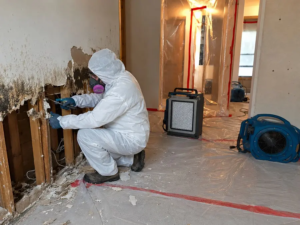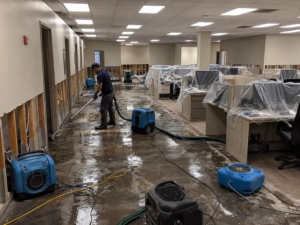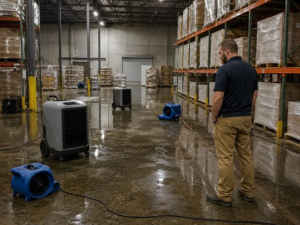
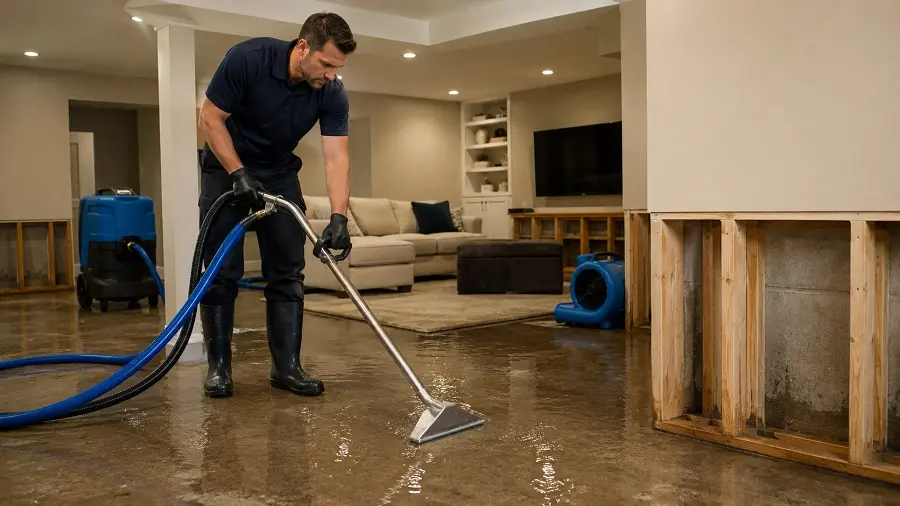
A finished basement can make a home more comfortable and valuable, but it also creates more materials that can be damaged when water enters the space. Carpet, pad, laminate, drywall, baseboards, insulation, furniture, and stored items can all absorb water. In Portland, basement moisture can come from plumbing leaks, appliance failures, foundation seepage, sewer backups, heavy rain, or surface water entering through doors or windows.
The key question after a finished basement flood is: what can be saved and what needs to be removed?
Start with the water source
Before making decisions about materials, identify the water source. Clean water from a broken supply line is handled differently than a sewage backup or outdoor floodwater. If the water may contain sewage, soil, chemicals, or other contaminants, avoid contact and call a professional immediately.
The source affects drying decisions. Porous materials that might be dried after a clean water loss may need removal after contaminated water exposure.
Carpet and carpet pad
Carpet may be salvageable in some clean water situations if extraction starts quickly and the carpet can be lifted, dried, cleaned, and reset. Carpet pad is different. Padding holds water like a sponge and is often removed because it is difficult to dry thoroughly and can trap odors.
If the water was contaminated or the carpet was wet for an extended time, removal may be the safer choice. A restoration technician can assess the material, water source, and moisture conditions.
Drywall and baseboards
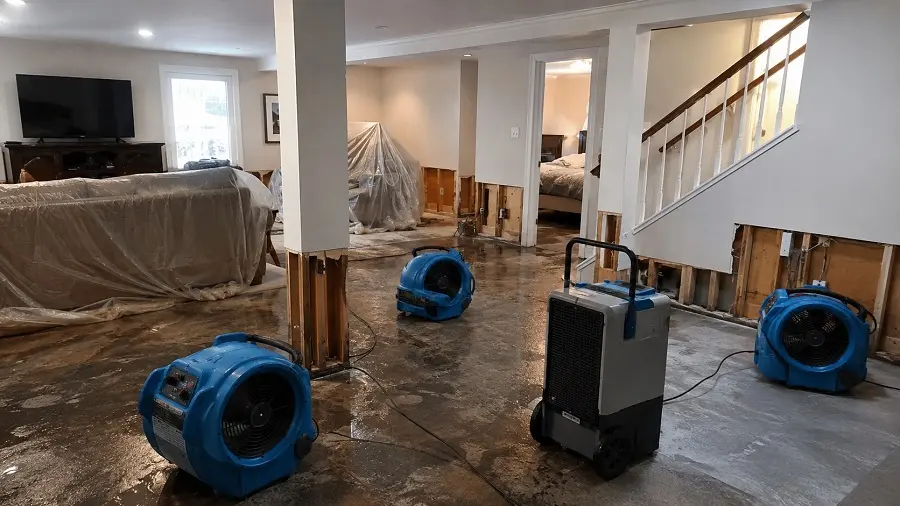
Drywall can wick water upward from the floor. A wall may look mostly dry while the lower section is wet behind the baseboard. Technicians often use moisture meters to identify how high moisture has traveled. In some cases, baseboards can be removed and drying equipment can dry wall cavities. In other cases, sections of drywall need to be cut out so the framing can dry properly.
Painting over water-stained drywall before drying is complete is a mistake. It can trap moisture and hide a problem that should be corrected.
Insulation and framing
If finished basement walls contain insulation, the insulation can hold moisture against framing. Wet insulation may lose effectiveness and may need removal depending on the water source and saturation. Framing can often be dried if it is exposed and monitored, but it should not be sealed back inside a wall while moisture readings are elevated.
Flooring and subflooring
Laminate, engineered wood, and some vinyl floors can trap moisture beneath the surface. Floors may cup, swell, separate, or produce odors if water remains below them. Tile floors may look unharmed while water remains under nearby trim or behind walls. Concrete can also hold moisture and release it slowly.
A proper basement drying plan should check the flooring type and the layers beneath it. The visible top surface is only one part of the system.
Contents and storage
Basements often store boxes, seasonal items, furniture, books, electronics, and sentimental items. Move dry items out of the affected area if it is safe. Wet cardboard should usually be removed because it collapses and can support microbial growth. Hard, non-porous items may be cleaned and dried. Upholstered furniture, paper goods, and porous belongings require closer evaluation.
How professionals decide what can be saved
Restoration decisions are based on several factors:
- The water category and contamination risk.
- How long the materials were wet.
- Whether the material can be accessed for drying.
- Whether moisture is trapped behind or beneath the material.
- Whether drying can be verified with moisture readings.
- Whether odors or visible microbial growth are present.
The best outcome is not always the least demolition. It is the least demolition that still allows the basement to dry safely and completely.
Protecting the basement after cleanup
Once restoration is complete, consider prevention steps. Check gutters and downspouts, maintain sump pumps if present, inspect foundation drainage, keep stored items off the floor, and address plumbing leaks quickly. If a basement has repeated moisture problems, ask about moisture mapping and possible drainage correction.
Call for basement water damage cleanup
911 Restoration of Portland helps homeowners with basement water extraction, drying, material removal, odor control, and restoration planning. If your finished basement has water damage, call (503) 208-9780 for help.
FAQ
Can wet basement carpet be saved?
Sometimes, if the water is clean, the carpet is addressed quickly, and drying can be verified. Carpet pad is often removed and replaced.
Why does my basement smell musty after water cleanup?
A musty smell may mean moisture remains in materials, contents, or hidden areas. It can also come from wet carpet pad, drywall, insulation, or stored items.
Should I run a dehumidifier after basement flooding?
A dehumidifier can help, but serious water damage usually requires extraction, airflow, moisture checks, and a drying plan tailored to the affected materials.